
Silicone Fingers


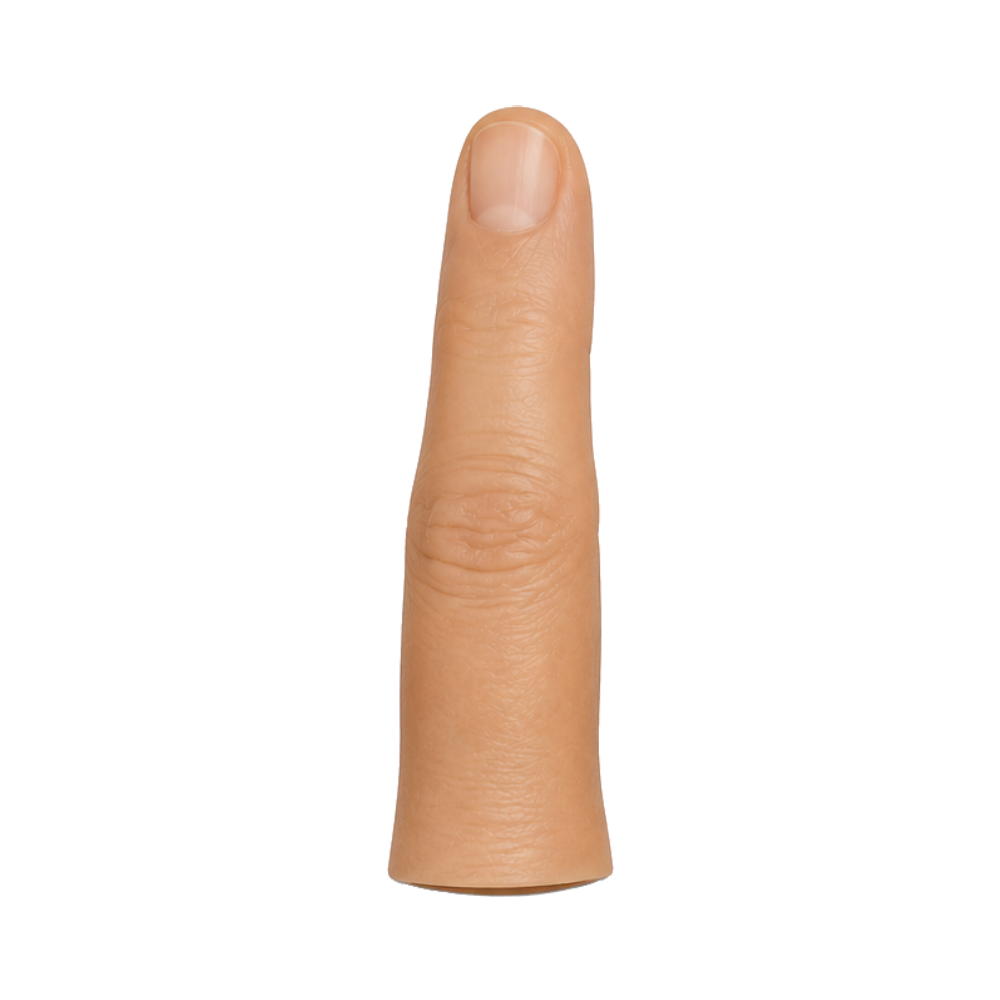

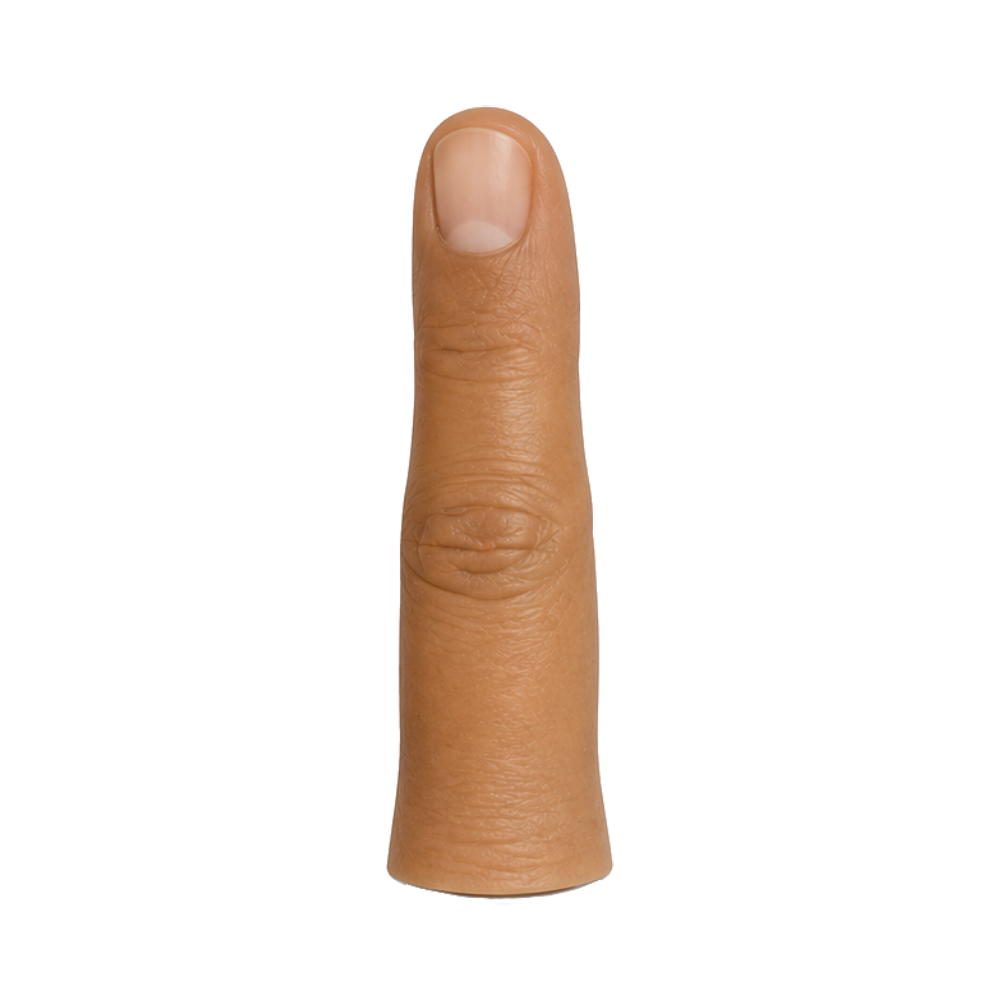
Natural-Looking Finger Restoration for Everyday Confidence
Product Type: Silicone Prosthetic Fingers
Suitable For: Partial Finger Loss
Main Purpose: Cosmetic Restoration & Protection
Appearance: Realistic Skin-Like Finish
Fit: Custom Fitted
Material: Soft Medical-Grade Silicone
Comfort: Flexible for Daily Wear
Key Benefit: Helps Restore Natural Hand Appearance
Design: Personalized to Finger Shape & Skin Tone
Care Support: Fitting, Guidance & Follow-up
For Assistance: 0300 2888503
Custom Solutions
Individually designed upper- and lower-limb prostheses provide a secure, comfortable, and personalized fit.
Custom Solutions
Individually designed upper- and lower-limb prostheses provide a secure, comfortable, and personalized fit.
Functional Movement
Designed to support walking, gripping, balance, and other essential everyday movements.
Functional Movement
Designed to support walking, gripping, balance, and other essential everyday movements.
Lightweight Durability
Strong, lightweight components provide dependable performance and comfort during daily use.
Lightweight Durability
Strong, lightweight components provide dependable performance and comfort during daily use.
Greater Independence
Helps users improve mobility, confidence, and independence in everyday activities.
Greater Independence
Helps users improve mobility, confidence, and independence in everyday activities.
Silicone Finger Prostheses for Natural-Looking Finger Replacement
A silicone finger prosthesis is individually shaped to replace the appearance of a missing finger, part of a finger, or in selected cases a thumb. Unlike a mechanical or powered finger, a passive silicone finger is mainly designed for cosmetic restoration. Depending on the remaining anatomy and the finished design, it may also provide a stable surface for selected light tasks or counter-support. A good result depends on more than appearance. Fit, retention, residual-finger shape, skin comfort, finger length, colour matching, nail detail and the person’s daily activities all matter. Limb Care in Karachi can assess the hand, discuss realistic expectations and provide a current quotation based on the individual case.Silicone Fingers Price in Pakistan
Silicone finger prosthesis prices in Pakistan depend on the amount of the digit that is missing and the level of customization required. A fingertip restoration, a complete artificial finger, a silicone thumb and a multi-finger restoration are not the same type of case, so they may require different measurements, retention methods and cosmetic work. Other factors can include the shape and length of the residual finger, whether one or several digits are involved, the complexity of the missing area, the method used to keep the prosthesis in place, colour and surface detailing, nail reproduction, fitting requirements and whether the restoration extends into part of the hand. For this reason, artificial finger prices in Pakistan are better discussed after an assessment rather than as a fixed figure. Limb Care can provide a case-specific quotation after reviewing the hand and intended use.What Is a Silicone Finger Prosthesis?
A silicone finger prosthesis is an external artificial replacement made to reproduce the general shape and appearance of a missing digit. It may be used for partial finger loss, complete finger loss, thumb loss or selected cases involving more than one digit. Its main purpose is usually cosmetic. A well-designed prosthetic finger can restore visible finger length, improve symmetry between the hands and provide a natural-looking surface. In some cases, it may also cover or protect a sensitive residual area and provide light stabilization during selected activities. It does not restore the biological function of a natural finger.What Can an Artificial Silicone Finger Do?
A passive artificial silicone finger may restore the visible outline of the digit and provide a stable surface that can assist with selected light tasks. Depending on the level of finger loss, remaining joint movement and the object being handled, some users may use the prosthesis for counter-support, positioning or stabilization. It is equally important to understand the limitations. A passive silicone finger does not produce active finger movement, normal grip strength, muscle power, natural sensation or fine motor control equivalent to a biological finger. If active grasp or demanding manual function is the main goal, a different prosthetic approach may need to be considered after assessment.Silicone Finger vs Mechanical or Functional Prosthetic Finger
| Feature | Silicone / Passive Finger | Mechanical / Functional Finger |
|---|---|---|
| Primary goal | Cosmetic restoration and passive support | Functional movement or task assistance |
| Active movement | No active powered movement | May use joints, body-powered mechanisms or other technology |
| Cosmetic detail | Can be shaped and coloured to resemble the surrounding hand | Appearance depends on the specific device |
| Control | No active control system | Depends on the device and level of loss |
| Function | May provide passive counter-support or light stabilization | May support active grasp or other movements, depending on design |
| Maintenance | Focuses on cleaning, skin care, fit and protection from damage | May involve joints, components or mechanisms that need additional maintenance |
| Cost tendency | Depends on customization and retention complexity | Often influenced by device technology and component complexity |
Partial Finger, Complete Finger and Multiple-Finger Prostheses
| Type | Key Considerations |
|---|---|
| Partial finger prosthesis | Remaining finger length and contour may provide surface area for close-fitting retention and help guide length and alignment. |
| Complete finger prosthesis | Retention may be more difficult when little or no residual finger remains, so another retention strategy may be needed. |
| Multiple-finger prosthesis | Several missing digits may require separate prostheses, a connected silicone design or a broader partial-hand solution. |
Silicone Thumb Prosthesis
Thumb loss needs separate consideration because the thumb has a major role in opposition, pinch and grasp. A silicone thumb prosthesis may restore thumb shape and hand symmetry and, depending on the residual anatomy, may provide a passive surface against which light objects can be supported. A passive silicone thumb does not recreate normal active thumb movement or biological strength. If active grasp is the main priority, the person should discuss other prosthetic or clinical options with an appropriate professional.Artificial Fingers vs a Partial-Hand Prosthesis
An individual artificial finger is usually considered when the missing area is limited to one digit or a part of a digit and secure retention can be achieved. A partial-hand prosthesis may become more relevant when several digits are absent, a larger part of the hand is missing, individual finger retention is limited or the functional requirement extends beyond one digit. The correct boundary cannot be decided from a photograph alone. Assessment of the residual hand, remaining movement, skin condition, finger length and the person’s goals helps determine which type of prosthetic solution is reasonable.How Does a Silicone Finger Stay On?
Retention is one of the most important parts of a silicone finger prosthesis. There is no single attachment method that works for every person. The available residual finger, its shape, the condition of the skin and the size of the missing area all influence the design.Close-Fitting Sleeve or Suction-Like Retention
Where enough residual finger remains, a silicone sleeve may fit closely over the digit and use its contour, friction and a suction-like effect to stay in position. The fit must be secure without creating painful pressure or restricting nearby joint movement.Ring Retention
A ring or another discreet mechanical feature may sometimes help hold a prosthesis when the anatomy allows. This is case-dependent and should not be assumed to be suitable for every finger.Adhesive Retention
In selected designs where anatomical retention is limited, a prosthetic or medical adhesive may be considered by the treating professional. Household glues and do-it-yourself adhesive methods should not be used on the skin or prosthesis.Integrated Partial-Hand Retention
For very short residual digits or multiple-finger loss, an artificial finger may need to form part of a wider hand unit rather than being made as an isolated sleeve. This is one reason an in-person assessment is important before choosing a design.How Is a Custom Silicone Finger Made?
A typical custom silicone-finger process begins with assessment of the residual finger and hand. Measurements are taken to establish length, width, alignment and the relationship to the other fingers. Depending on the fabrication method, an impression, mould or other form of anatomical reference may be used. The opposite hand can also provide useful information about finger proportions where appropriate. The prosthesis is then developed to reproduce the missing shape as closely as reasonably possible. Colour, nail appearance, surface contour and the transition between prosthesis and skin may be refined before fitting. A trial fit is used to assess retention, pressure, stability and cosmetic alignment. The final process should also include instructions for wear, cleaning and follow-up. The exact fabrication steps vary by provider and individual case.Skin Tone, Nail and Surface Detail
Natural skin is not a single flat colour. It may contain a base tone, undertones, lighter and darker areas, knuckle variation and other subtle changes. A custom cosmetic finger can be developed to blend with the surrounding hand by considering these visual differences along with finger shape and surface texture. Nail shape, nail-bed appearance, finger creases, knuckle contour and transition margins can also influence how natural the prosthesis looks. No cosmetic prosthesis should be promised as an exact copy of living skin. Natural skin changes with sunlight, temperature, circulation and time, while prosthetic pigmentation remains relatively stable. A good match can therefore appear slightly different under another light source or after seasonal skin-colour changes.Silicone Finger vs Silicone Prosthetic Glove
| Feature | Silicone Finger | Silicone Prosthetic Glove |
|---|---|---|
| Area covered | Part or all of a missing finger or thumb | Usually covers a larger prosthetic hand or hand-shaped device |
| Main role | Forms the visible replacement digit | Acts mainly as a cosmetic or protective outer covering |
| Retention | Depends strongly on residual finger and hand anatomy | Depends on the underlying hand or prosthetic system |