
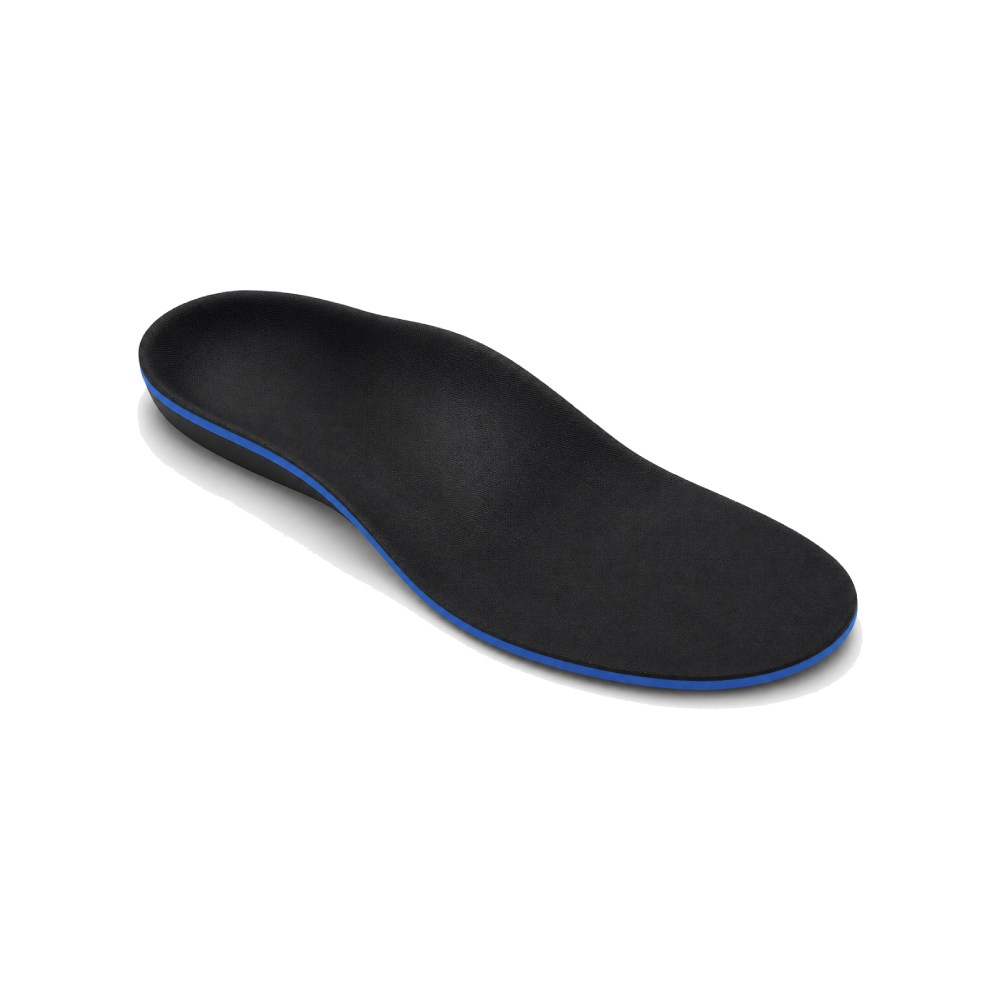


Orthotic Insoles for Support, Pressure Relief and Better Shoe Fit
An orthotic insole is more than simple cushioning when it is used to support the foot, accommodate its shape or redistribute load inside a shoe. Some people do well with a suitable ready-made insert, while others may need an individualized foot orthosis because of unusual anatomy, deformity, pressure concerns or specific support requirements. Limb Care provides orthotic care in Karachi and can review your foot, symptoms, activity and footwear before discussing options. Cost depends on the device and fitting or fabrication required. Contact Limb Care to discuss your needs and request a current quotation.Orthotic Insole Price in Karachi, Pakistan
Orthotic insole prices in Karachi, Pakistan depend on the device’s purpose and the amount of fitting or fabrication required. A cushioning insert, a structured prefabricated orthotic and a custom foot orthosis involve different materials and levels of modification. Cost can also change with rigidity, material, impression or casting needs, posting or wedging, heel or metatarsal modifications, pressure-relief features and footwear requirements. Children’s devices may need review as feet and shoe size change. The exact quotation depends on the type of orthosis required after assessment.What Is an Orthotic Insole?
An orthotic insole, or foot orthosis, is worn inside footwear to support or accommodate the foot or influence how forces pass through it. One design may support the medial arch; another may cushion a sensitive area or redistribute plantar pressure. They may also accommodate deformity or influence foot position where clinically relevant. They do not permanently correct every foot shape or guarantee pain relief.Orthotic Insoles vs Regular Shoe Inserts
Many insoles mainly add cushioning, and for some people that is enough. An orthotic has a more specific support, accommodation or pressure-management purpose.| Feature | Cushioning Insert | Prefabricated Orthotic | Custom Foot Orthosis |
|---|---|---|---|
| Fit | Standard size, often trimmed to shoe | Standard shape and size range | Based on individual measurements or foot shape |
| Primary role | General comfort and cushioning | Structured support or accommodation | Individual support, accommodation or pressure modification |
| Customization | Minimal | Limited | Greater scope for specific modifications |
| Pressure modification | General cushioning | Some designs offer targeted features | Can be planned around specific areas where required |
| Footwear needs | Usually simple, but still takes up shoe space | Needs adequate depth and width | Must be fitted with the intended footwear |
| Assessment | Often not required | Useful when symptoms or alignment are involved | Normally part of the design process |
| Relative cost | Usually lower | Usually moderate | Usually higher because of individual work |
Types of Foot Orthotics
Soft or Accommodative Insoles
Soft orthotic insoles focus on cushioning, accommodation and pressure redistribution. They may help reduce concentrated pressure or create a more forgiving foot-shoe interface. A softer device is not automatically safer or more suitable for every foot.Semi-Rigid Orthotics
Semi-rigid devices combine support with some flexibility. They may use EVA, cork, foam layers or other materials and can suit goals that need more structure than a soft insert without the firmness of a rigid orthosis.Rigid or Functional Foot Orthotics
Rigid foot orthotics use firmer materials for selected control requirements. Suitable footwear is important because a firm device in a narrow or shallow shoe can create pressure. A flat foot alone does not mean a rigid orthotic is required.Custom-Moulded Foot Orthotics
Custom foot orthotics are made around the individual foot rather than a standard retail shape. Measurements, casts, impressions or scans may be used. Their main value is the ability to incorporate specific accommodation, pressure relief or prescribed support.Diabetic or Pressure-Relieving Insoles
For diabetic or sensitive feet, priorities often include accommodation, pressure redistribution and enough room inside suitable footwear. Multi-density or softer materials may be used where appropriate. Reduced sensation can make pressure problems harder to notice, so fit and skin monitoring matter. See Limb Care’s diabetic shoes page for more on therapeutic footwear.What Can Foot Orthotics Be Used For?
Foot orthotics may be considered as part of management for selected problems such as plantar heel pain, symptomatic flat feet, clinically relevant pronation, foot deformity, concentrated plantar pressure, diabetic-foot pressure management, leg-length accommodation and some activity-related foot problems. They may also be considered when foot mechanics contribute to selected knee or lower-limb symptoms. The diagnosis alone does not determine the device. Symptoms, foot shape, sensation, activity, footwear and the clinical goal all matter.Do Flat Feet Always Need Orthotics?
No. Many flexible flat feet cause no pain or functional problem. A low-looking arch alone is not a reason to prescribe a custom insole. Assessment is more relevant with pain, fatigue, recurring pressure, footwear difficulty, reduced function or rigid deformity. Painless flexible flat feet in children do not automatically require arch supports. Decisions should reflect symptoms, age, flexibility, activity and any underlying condition.Custom Orthotics vs Ready-Made Insoles
Custom does not automatically mean better. A prefabricated orthotic can work well when its shape, support and volume suit the foot and shoe. Custom fabrication is more relevant when a standard design cannot meet the clinical need.| Consideration | Ready-Made Orthotic | Custom Foot Orthosis |
|---|---|---|
| Fit | Standardized shape | Designed around individual measurements or foot shape |
| Support design | Pre-set | Can be individualized |
| Accommodation | Limited to available design | Can incorporate specific relief or accommodation |
| Pressure-relief options | General or pre-formed | Can target selected areas where clinically required |
| Material | Fixed by product | Chosen according to design and fabrication method |
| Modification | Often limited | Usually offers greater modification potential |
| Relative cost tendency | Lower | Higher because of individual assessment and fabrication |
How Custom Foot Orthotics Are Typically Made
A custom-orthotic process should start with the clinical goal rather than the material. The exact workflow varies, but it may include:- Review of symptoms, medical history, activity and previous insoles.
- Examination of foot shape, skin, movement, sensation and areas of pressure where relevant.
- Review of the footwear in which the orthosis will be worn.
- Measurements and, where required, an impression, cast or scan.
- Selection of the orthotic design, material, rigidity and any specific modifications.
- Fitting the finished device inside the intended footwear, followed by adjustment or review if needed.
More Arch Support Is Not Always Better
An orthotic should provide the right support in the right place. An arch that is too high, poorly positioned or too rigid can create unwanted pressure, as can footwear that is too narrow or shallow. The objective is not maximum arch height, but an appropriate relationship between the foot, orthosis and shoe.Orthotic Insoles and Footwear Need to Work Together
An insole takes up space. A device placed inside a narrow shoe, a shallow shoe or a tight toe box may crowd the foot even if the orthosis itself is well made. Shoes with removable factory liners often provide more room because the original insert can sometimes be taken out before the orthosis is fitted. Useful footwear features include adequate depth and width, secure heel hold, enough toe space and a stable platform. Sandals and chappals may not hold an orthosis securely unless both are designed to work together. In Karachi’s warm climate, heat and perspiration can also affect hygiene and comfort. If you switch between work shoes, trainers or school shoes, check each pair separately. One orthotic does not automatically fit every shoe.How Should an Orthotic Insole Fit?
A well-fitted orthosis should sit flat and securely, remain stable during walking and avoid crowding the toes, lifting the heel excessively or creating concentrated pressure.Comfort Is Not the Only Test
The softest insole is not always the most appropriate. A soft insert may feel comfortable but offer little structural support, while a firmer orthosis may feel unfamiliar because it has a specific role. Fit, pressure, support and shoe compatibility all matter. A new orthosis can feel different at first, but significant pain, rubbing, numbness or skin injury should not be treated as something to simply “push through.”When an Orthotic Insole Needs Adjustment or Review
Reassessment is sensible if there is persistent rubbing, new pain, blistering, numbness, movement inside the shoe, an arch that feels incorrectly positioned, increased shoe tightness or visible material breakdown. Changes in body weight, foot shape, activity, footwear or a child’s growth can also alter fit. Some fit problems can be addressed by modifying the orthosis, top cover or footwear, although this depends on how the device is constructed.How Long Do Orthotic Insoles Last?
There is no single replacement schedule for every orthotic. Lifespan depends on material, frequency of wear, body weight, activity, footwear, heat, moisture and compression. Children may outgrow a device before it wears out. Consider reassessment if support feels different, material is compressed or cracked, the device no longer sits correctly, or symptoms and pressure areas change.Orthotic Insoles for Children
Children’s feet and shoe sizes change as they grow, so orthotics need periodic fit review. Painless flexible flat feet do not automatically need custom insoles. Assessment is more relevant when there is pain, a rigid or unusual foot shape, recurrent pressure, footwear difficulty or an underlying condition.Orthotic Insoles for Diabetic or Sensitive Feet
Reduced sensation changes the risk profile because pressure or rubbing may not be felt normally. The focus may shift toward accommodation, pressure redistribution and enough room inside suitable footwear rather than firm correction. People with diabetes should not rely on comfort alone as evidence that an insole is safe. Persistent redness, a blister, an open wound, skin breakdown or a new pressure area needs prompt attention, and active wounds or suspected infection require appropriate medical assessment.What If an Insole Causes Pain or Skin Irritation?
Stop and review the fit if an orthotic causes persistent pain, blistering, skin breakdown, numbness, prolonged redness, worsening pressure or significant shoe tightness. The problem may come from the orthosis, the shoe, the way the device sits in the shoe or a change in the foot. Seek medical assessment when symptoms include an open wound, possible infection, significant swelling, marked colour change or a serious diabetic-foot concern. An orthotic should not be used to mask a problem that needs diagnosis or treatment.How to Compare Orthotic Insoles Before Choosing
Before choosing an orthopedic insole, ask what the device is meant to do. Compare:- Is it mainly a cushioning insert, a prefabricated orthotic or a custom foot orthosis?
- Is the design soft, semi-rigid or rigid, and why was that level of support selected?
- Does the shape suit your foot, or is it simply a generic arch profile?
- Can pressure-relief, heel or metatarsal modifications be added if they are needed?
- Will the orthotic fit the shoes you actually wear for work, school or daily activity?
- Are both feet assessed, even if symptoms are mainly on one side?
- Is there a plan for fitting, review and adjustment if the device creates pressure or does not sit correctly?
Orthotic Insoles at Limb Care in Karachi
Limb Care provides orthotic services in Karachi for people who need help choosing, fitting or reviewing foot-support options. Assessment can help clarify whether a simple insert, a structured prefabricated orthotic or an individualized option is appropriate, and whether the intended footwear can accommodate it. You can visit Limb Care at Suit No. 28, Al Amna Plaza, Main Muhammad Ali Jinnah Road, opposite Capri Cinema, Empress Market, Karachi. Call 0300 2888503 or use the Limb Care contact page to discuss your requirements and request a current quotation. You can also explore the wider orthotics services available through Limb Care.Frequently Asked Questions About Orthotic Insoles
What is the price of an orthotic insole in Karachi?
Cost depends on ready-made versus custom design, material, rigidity, fitting method and any pressure-relief modifications. Limb Care can quote once the required orthosis is clear.
What is the difference between an orthotic insole and a regular insole?
A regular insert mainly provides cushioning. An orthotic has a more specific support, accommodation or pressure-management purpose.
Are custom orthotics better than ready-made insoles?
Not automatically. A prefabricated orthotic may be enough. Custom fabrication is more relevant when foot shape, deformity, pressure needs or required modifications cannot be addressed well by a standard design.
Do flat feet always need arch supports?
No. Flexible, painless flat feet often need no orthotic. Assessment is more useful when there is pain, pressure, footwear difficulty, reduced function or rigid deformity.
Can orthotic insoles help with plantar fasciitis?
They may be used as part of a broader plantar-fasciitis management plan, but should not be presented as a stand-alone solution for every case. Prefabricated or custom options may be considered.
How should an orthotic insole fit inside a shoe?
It should sit flat and securely without sliding, crowding the toes, lifting the heel excessively or creating painful pressure. The shoe must have enough room.
Can I use the same orthotic in different shoes?
Sometimes. Shoe shape, depth and width vary, so an orthotic that fits one pair may be unstable or too bulky in another.
How long do orthotic insoles last?
There is no universal lifespan. Review the device if it compresses, cracks, changes shape or no longer fits or functions as expected.
What should I do if an orthotic causes pain or rubbing?
Persistent pain, rubbing, numbness, blistering or skin damage should prompt review of the orthotic and footwear. Diabetes or reduced sensation makes new skin changes especially important.