
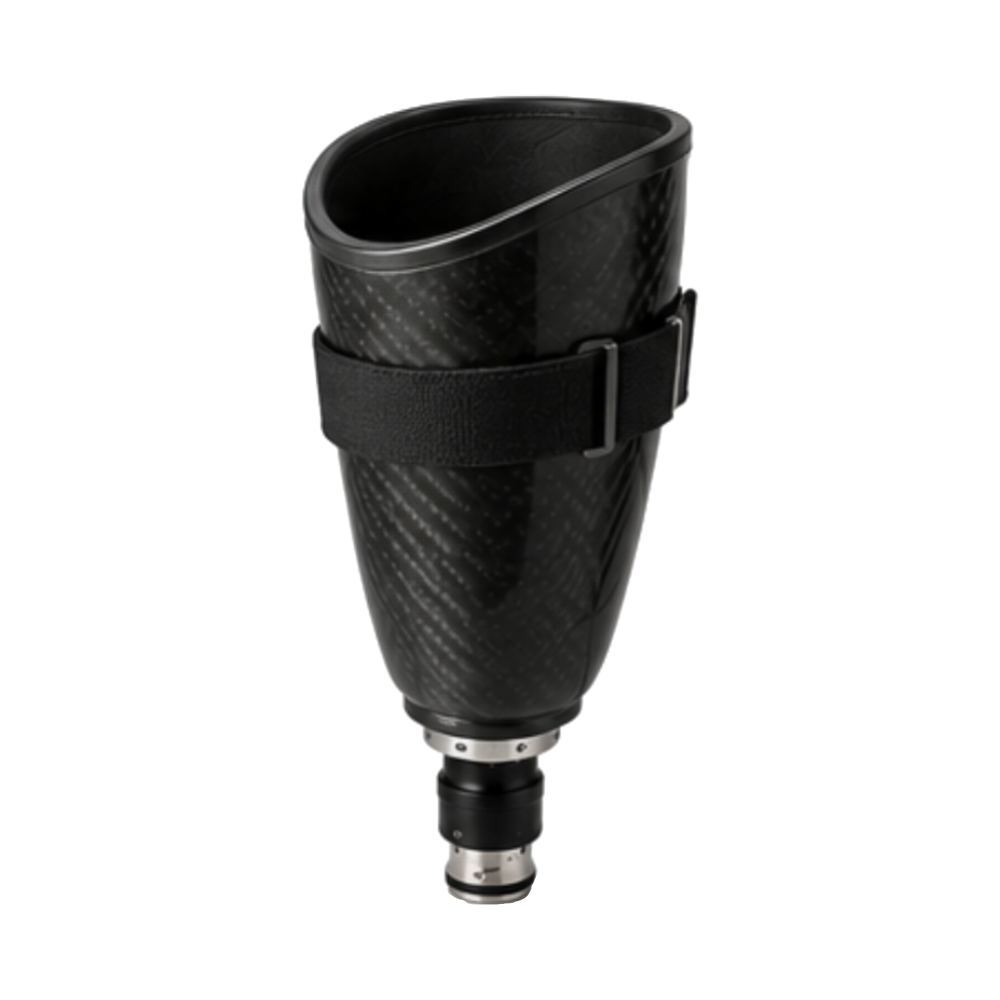
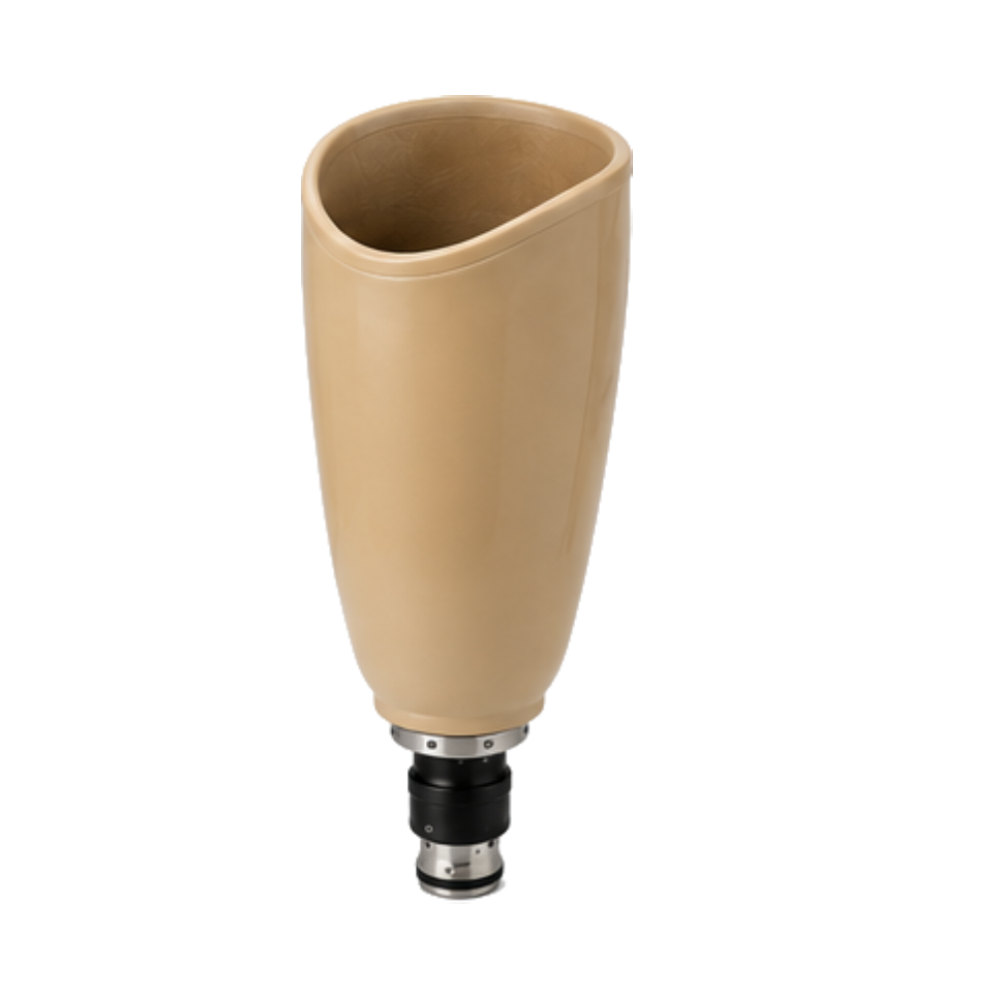
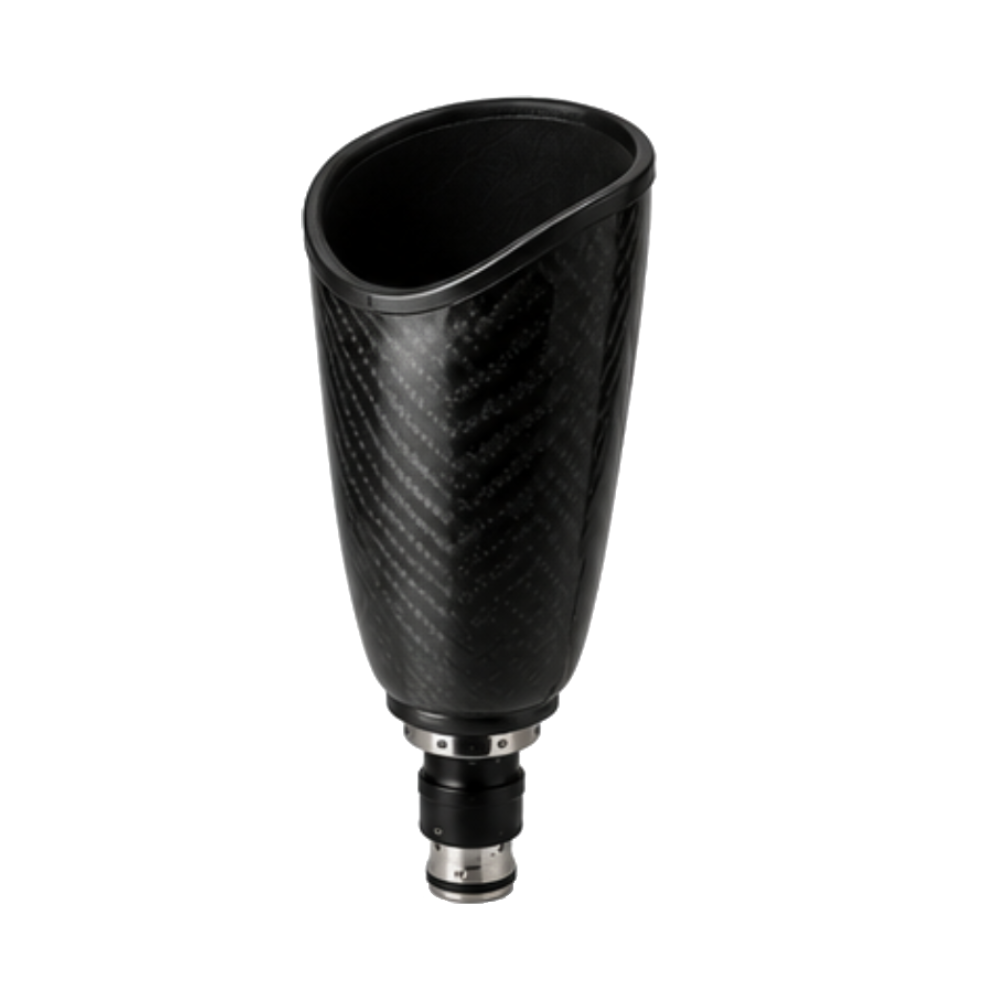
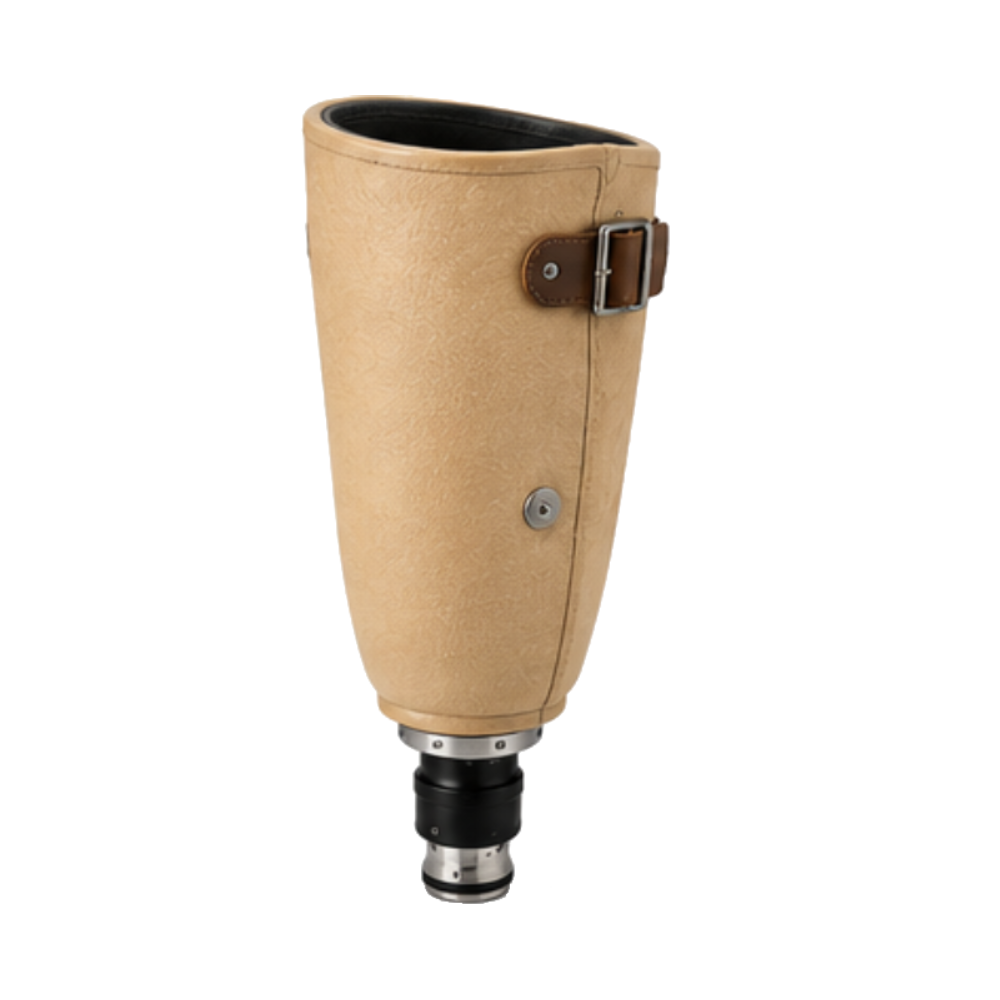

Below-Knee Prosthetics in Karachi, Pakistan
In a below-knee or transtibial prosthesis, the person’s natural knee remains. The system replaces the missing lower leg and foot through a custom socket, suitable suspension, structural components and a prosthetic foot. The preserved knee supports biological flexion, extension and limb control, but mobility still depends on socket fit, strength, balance, alignment, foot choice, health and rehabilitation.
For patients comparing lower-limb prosthetic options in Pakistan, the key question is whether the complete system suits the residual limb, daily activities, footwear and mobility goals. Limb Care can assess these needs and discuss an appropriate below-knee prosthetic configuration.
Below Knee Prosthetics Price in Pakistan
A below-knee prosthesis is a custom system rather than a standard product with one fixed price. Cost depends on the socket design, liner or interface where used, suspension, prosthetic foot, structural components, materials, fitting complexity and follow-up needs. Imported component availability can also affect a quotation in Pakistan.
A basic foot with a conventional suspension method has different requirements from a system using a silicone or gel liner, more involved suspension and a dynamic-response foot. Higher cost does not automatically mean better clinical suitability. Prescription should match the residual limb, activity, stability, footwear, maintenance needs and budget.
An in-person assessment is normally required for a meaningful quotation. Patients can contact Limb Care to discuss the proposed complete system and current cost.
What Is a Below-Knee Prosthesis?
A below-knee prosthesis is the patient-friendly term for a transtibial prosthesis, used after limb loss through the lower leg while the natural knee remains. It is different from ankle disarticulation, knee disarticulation and above-knee or transfemoral limb loss.
A typical system may include a custom socket, liner or other interface where appropriate, suspension, adapters or a pylon, and a prosthetic foot. The exact combination varies with the person’s anatomy, skin, activity and goals.
Below Knee vs Above Knee Prosthesis
Both are lower-limb prostheses, but the preserved joints and required components differ. The comparison below explains the main structural distinction without ranking one amputation level or prosthetic system over another.
| Feature | Below Knee / Transtibial | Above Knee / Transfemoral |
|---|---|---|
| Natural hip | Retained | Retained |
| Natural knee | Retained | Not retained |
| Prosthetic knee required | No | Yes |
| Socket location | Around the residual lower leg | Around the residual thigh |
| Major components | Socket, interface/liner where used, suspension, pylon/adapters and foot | Socket, suspension, prosthetic knee, pylon/adapters and foot |
| Control requirements | Uses the biological knee together with the prosthetic system | Requires control of both the prosthetic knee and foot system |
| Rehabilitation | Still requires fitting, alignment and gait training | Requires fitting, alignment and training that also addresses prosthetic-knee control |
Patients who need information about the other level can review Limb Care’s above-knee prosthetics page.
What Makes Up a Below-Knee Prosthetic Leg?
Socket
The custom socket surrounds the residual limb and transfers forces between the body and prosthesis. Its fit affects pressure, control, suspension, stability and comfort.
Liner or Interface
Many systems use a silicone, gel or other liner for cushioning, skin protection and sometimes suspension. Other interface approaches may use foam or Pelite-type materials.
Suspension
Suspension keeps the prosthesis attached during movement. The method must suit the socket, residual limb and user.
Pylon, Adapters and Foot
Structural adapters connect and position the components. The prosthetic foot supports standing and walking and may range from a basic cushioned design to multiaxial, dynamic-response or electronically controlled systems.
Why Socket Fit Matters Most
The socket is fundamental because every step transfers load between the residual limb and the prosthesis through this interface. A more advanced or expensive foot cannot correct an inappropriate socket fit. The socket must hold the limb securely while managing pressure in a way the person can tolerate during daily use.
Fit problems can contribute to rubbing, concentrated pressure, persistent redness, pain, blistering, skin breakdown, rotation, instability or pistoning, which is up-and-down movement of the residual limb inside the socket. A socket should feel secure and controlled, but some pressure is expected because the prosthesis has to transfer load. Sharp pain, open skin, repeated blistering, new numbness or persistent painful redness should not simply be accepted as normal.
Types of Below-Knee Prosthetic Sockets
Patellar Tendon Bearing (PTB)
PTB is a classic transtibial socket concept that uses selected pressure-tolerant areas while relieving others. It remains a valid option for suitable users.
Total Surface Bearing (TSB)
TSB aims to distribute load more broadly across the residual limb and is often used with a compliant liner. It does not eliminate pressure or guarantee freedom from skin problems.
Other Socket Concepts
No socket design is best for everyone. Residual-limb shape, skin, pressure tolerance, volume change, suspension, activity and patient preference all matter. Limb Care also has a prosthetic socket technology section for deeper information.
Prosthetic Liners: Silicone, Gel and Other Interfaces
Many below-knee systems use a liner between the skin and socket for cushioning, friction management and, in some designs, suspension. Materials can include silicone, thermoplastic elastomer or gel, polyurethane, and foam-based interfaces.
No material is universally superior. Suspension compatibility, flexibility, heat, sweating, cleaning, skin tolerance, donning and replacement availability all matter. More detail is available in Limb Care’s prosthetic liners section.
How Does a Below-Knee Prosthesis Stay Attached?
Pin-Lock Suspension
A pin on a compatible liner engages a mechanical lock in the socket. It gives clear mechanical attachment, but good fit is still needed to limit unwanted movement or distal traction.
Suction and Sleeve Suspension
Suction uses a close-fitting socket and controlled air movement to retain the limb. An external sleeve can also span the socket and thigh to provide suspension or help create a seal; knee movement, heat and sleeve condition are practical considerations.
Elevated Vacuum
A pump or related system maintains reduced pressure in the socket. This may improve suspension and assist volume management in selected users, but it does not eliminate volume change, pistoning or skin problems.
Other Suspension Methods
Anatomical contours, supracondylar features, cuffs or straps may suit selected users. No suspension method is best for everyone.
| Feature | Pin Lock | Suction | Elevated Vacuum |
|---|---|---|---|
| Retention | Mechanical pin and lock | Close fit and pressure control | Reduced pressure maintained by a system |
| Key considerations | Liner and lock condition | Seal quality and fit | Seal, pump/system function and maintenance |
| Volume change | May need separate management | Depends on fit and system | May help selected users but does not prevent all change |
Prosthetic Feet for Below-Knee Users
Foot selection should match the person’s mobility goals, stability, body weight, terrain, footwear, maintenance needs, component compatibility and budget.
| Foot Type | General Design | Potential Considerations |
|---|---|---|
| SACH / cushioned heel | Rigid, non-articulating ankle-foot with heel cushioning | Simple design that may suit selected everyday mobility needs |
| Single-axis | Controlled ankle movement mainly in one plane | May change the way the foot responds during stance |
| Multiaxial | Movement in more than one plane | May accommodate uneven surfaces differently |
| Dynamic-response / energy-storing | Flexible elements store and return some mechanical energy | Can offer functional benefits for suitably selected ambulators |
| Microprocessor / adaptive | Electronically controlled ankle-foot behavior | May adapt to selected conditions; cost, weight and maintenance vary by system |
Current evidence supports functional benefits from energy-storing-and-return and microprocessor foot-ankle systems over basic SACH feet for suitable ambulators, but it does not identify one advanced foot as universally superior. A SACH foot can still be appropriate when it matches the person’s goals and overall prosthetic setup.
Is a Carbon-Fiber Foot Better?
Not automatically. Carbon fiber and other composites are materials used in many dynamic-response feet because of their structural and energy-storage properties. The material alone does not show whether a foot suits one person. More useful questions are what type of foot it is, what activities and body-weight range it is designed for, how it works with the person’s footwear, whether replacement or service is practical in Pakistan, and why it is being recommended.
Why Footwear Matters
Prosthetic setup is affected by the shoe used during fitting. Heel height, sole thickness, stiffness, shoe weight and the way a shoe holds the prosthetic foot can change alignment and how the system feels. Moving between significantly different heel heights may alter standing and walking unless the selected foot is designed to accommodate those changes.
Patients should bring or discuss their regular footwear during assessment, including shoes, sandals or chappals that they commonly use. Compatibility with open footwear or barefoot use cannot be assumed for every prosthetic foot and suspension system.
Test Sockets, Fitting and Alignment
A test or diagnostic socket may be used before the definitive socket is completed to assess fit, pressure, suspension, standing, walking and alignment. Changes can then be made before final fabrication where this approach is used.
A typical transtibial fitting process may include residual-limb and skin assessment, knee and hip range-of-motion checks, strength and balance review, discussion of activity and footwear, measurements or casting, component selection, fitting, and follow-up adjustments.
Static alignment sets the initial relationship of socket, pylon/adapters and foot for standing. Dynamic alignment refines it while the person walks. Alignment can affect stability, pressure, foot contact, knee behavior and step pattern, so structural adjustments should be made by a prosthetic professional.
Residual-Limb Volume Changes and Socket Fit
The residual limb can change size during healing, through the day, with activity, fluid shifts, body-weight change and longer-term tissue changes. A socket that once felt secure can later become loose, tight or unstable.
Some systems use prosthetic socks of different thicknesses to manage certain volume changes, but not every prosthesis uses them. Persistent changes may mean the socket, liner or suspension needs review.
Loose fit can cause pistoning, rotation, rubbing or reduced control. Tightness can occur with swelling or volume increase. Do not force a painful limb into the socket or improvise with household socks, foam or unplanned padding.
Skin Checks, Heat and Karachi Weather
Regular skin checks are especially important for prosthetic users. Persistent redness, blisters, open skin, drainage, painful pressure, unusual swelling, new numbness or repeated irritation should be reviewed. People with diabetes, reduced sensation or vascular disease may need closer monitoring because skin or circulation problems can be harder to detect early. Age alone does not determine the right prosthesis; overall health, strength, balance, the condition of the other leg, home environment and mobility goals should guide assessment.
Karachi’s warm weather can increase sweating and moisture inside liners and sockets. This may affect comfort, friction, liner movement and cleaning needs. Sweat does not affect every person or material in the same way. Recurrent moisture problems, skin irritation or loss of suspension should be discussed with the prosthetic team so the cause can be assessed.
Learning to Walk and Use a Below-Knee Prosthesis
Keeping the natural knee does not remove the need for training. Gait training may cover balance, weight shifting, stepping, turning, ramps, curbs, stairs, uneven surfaces and walking-aid use according to the individual.
There is no fixed adaptation period. Healing, socket comfort, strength, balance, previous mobility, health, foot choice and rehabilitation all affect progress. Readiness for fitting also depends on skin condition, swelling, pain, residual-limb shape, knee movement, strength and medical stability.
Knee range of motion remains important. Restricted movement can affect standing, sitting, step length and socket use. Goals such as floor sitting, squatting and prayer positions should be discussed during assessment because socket trim lines, suspension and personal knee motion matter.
Work, Driving and Other Practical Needs
Daily demands should influence prescription. Office work, long periods of standing, manual work, stairs, uneven footpaths, floor sitting and prayer positions may place different demands on socket trim lines, suspension, foot choice and balance. Replacement liners, sleeves or components should also be practical to obtain and service in Pakistan.
Driving or motorcycle use requires individual assessment. Side of limb loss, vehicle controls, footwear, prosthetic foot, reaction, training and legal or medical requirements can affect safety. No below-knee prosthesis should be treated as universally suitable for motorcycle use.
Below-Knee Prosthetic Maintenance and Lifespan
Routine care can include cleaning the socket and liner as instructed, checking sleeve or liner condition, keeping the pin or lock clean where used, and watching for wear in the foot shell or cosmetic covering. New noises, cracks, loose components, suspension failure, damaged liners or sleeves, or a noticeable change in foot behavior should be professionally checked. Structural components should not be dismantled or realigned at home.
There is no single lifespan for an entire below-knee prosthesis. The socket, liner, sleeve, lock, adapters, foot and cosmetic covering can wear or need replacement at different times. Residual-limb changes may require a new socket even while the prosthetic foot remains usable; conversely, a socket may still fit while a liner or suspension component has worn out.
How to Compare Below-Knee Prosthetic Options
Before comparing quotations, ask what is included in the complete system and why each major choice has been proposed:
- What socket design is proposed, and why does it suit my residual limb?
- Will I use a liner, and what material is proposed?
- How will the prosthesis stay attached?
- Will a test socket be used where appropriate?
- What foot category is included, and why does it suit my activity and stability needs?
- What footwear is the system aligned for?
- Are static and dynamic alignment included?
- How will residual-limb volume changes be managed?
- What follow-up, maintenance and replacement support are available?
- Are replacement liners, sleeves or components practical to obtain in Pakistan?
Price, carbon-fiber content, imported labels and brand names should not be the only measures of suitability. The complete system must work together, with socket fit as the foundation.
Below Knee Prosthetics at Limb Care in Karachi
Limb Care provides lower-limb prosthetic services with individual assessment, fitting, adjustments and ongoing support. For a below-knee prosthesis, the discussion should focus on the residual limb, socket fit, suspension needs, foot category, footwear, mobility goals and practical daily environment rather than a one-size-fits-all package.
To discuss below-knee prosthetic options or request a current quotation, contact Limb Care on 0300 2888503 or visit Suit No. 28, Al Amna Plaza, Main Muhammad Ali Jinnah Road, Opposite Capri Cinema, Empress Market, Karachi. You can also use the Limb Care contact page to plan your visit.
Frequently Asked Questions About Below-Knee Prosthetics
What is the price of below-knee prosthetics in Pakistan?
There is no single price because the prosthesis is configured for the individual. Cost varies with the socket, interface or liner, suspension, foot, structural components, fitting needs, component availability and follow-up. An assessment is needed for a meaningful quotation.
What is a below-knee prosthesis called medically?
The clinical term is a transtibial prosthesis. It replaces the missing lower leg and foot while the person’s natural knee remains.
How does a below-knee prosthetic leg stay attached?
Suspension may use a pin lock, suction, sleeve, elevated vacuum, anatomical contours, straps or another compatible method. The choice depends on the limb, skin, volume changes, dexterity, activity and socket design.
Which socket is best for a below-knee prosthesis?
No socket design is best for everyone. PTB, TSB and other approaches should be selected according to anatomy, skin, pressure tolerance, volume change, suspension and comfort.
What type of prosthetic foot is best?
The foot should match mobility goals, stability, terrain, body weight, footwear, maintenance and budget. Carbon or electronic technology is not automatically the right choice.
Do all below-knee prostheses need a silicone liner?
No. Many systems use silicone or gel-type liners, while others use different interfaces. The choice depends on the socket, suspension system and the user’s skin and practical needs.
How long does it take to get used to a below-knee prosthesis?
There is no universal timeline. Healing, socket comfort, strength, balance, previous mobility, health and rehabilitation all influence adaptation.
What should I do if my socket becomes loose, tight or painful?
Arrange a prosthetic review, especially if there is significant pain or skin injury. Do not force the residual limb into a painful socket or use improvised padding to correct a fit problem.