
Silicone Liner

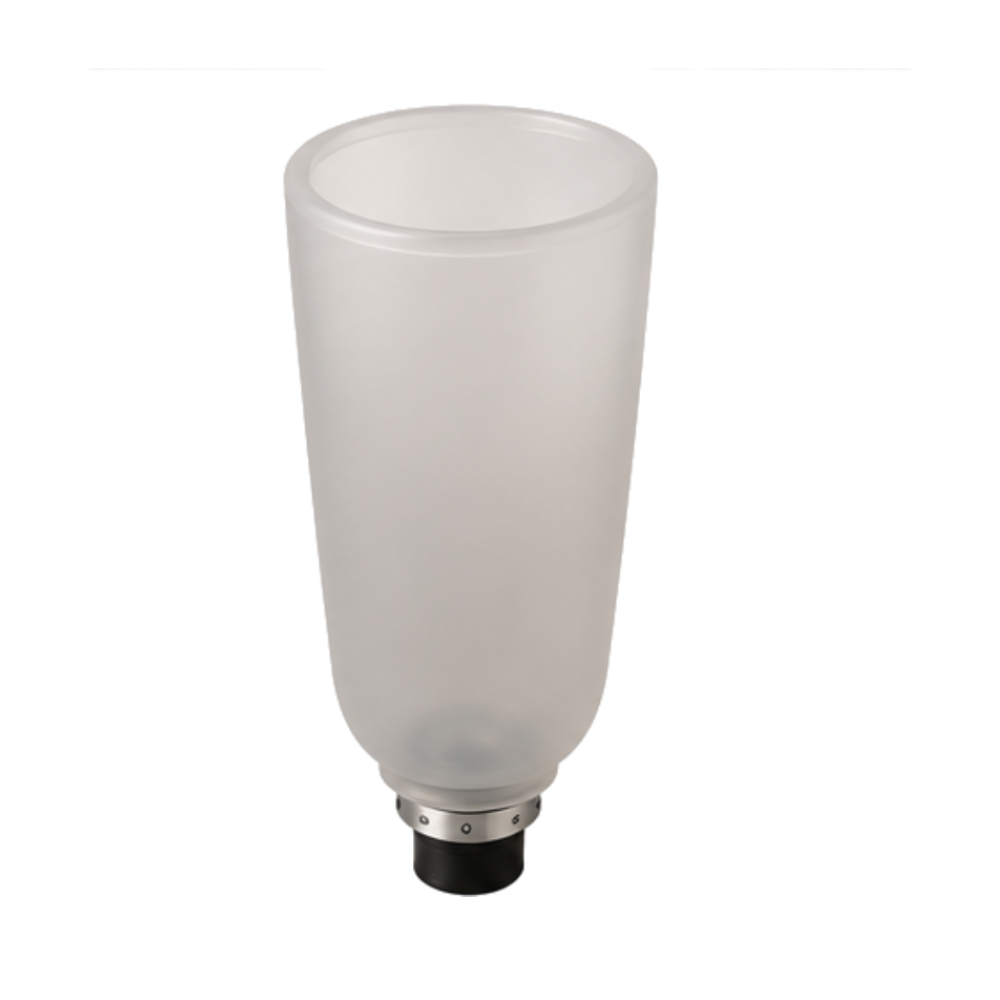
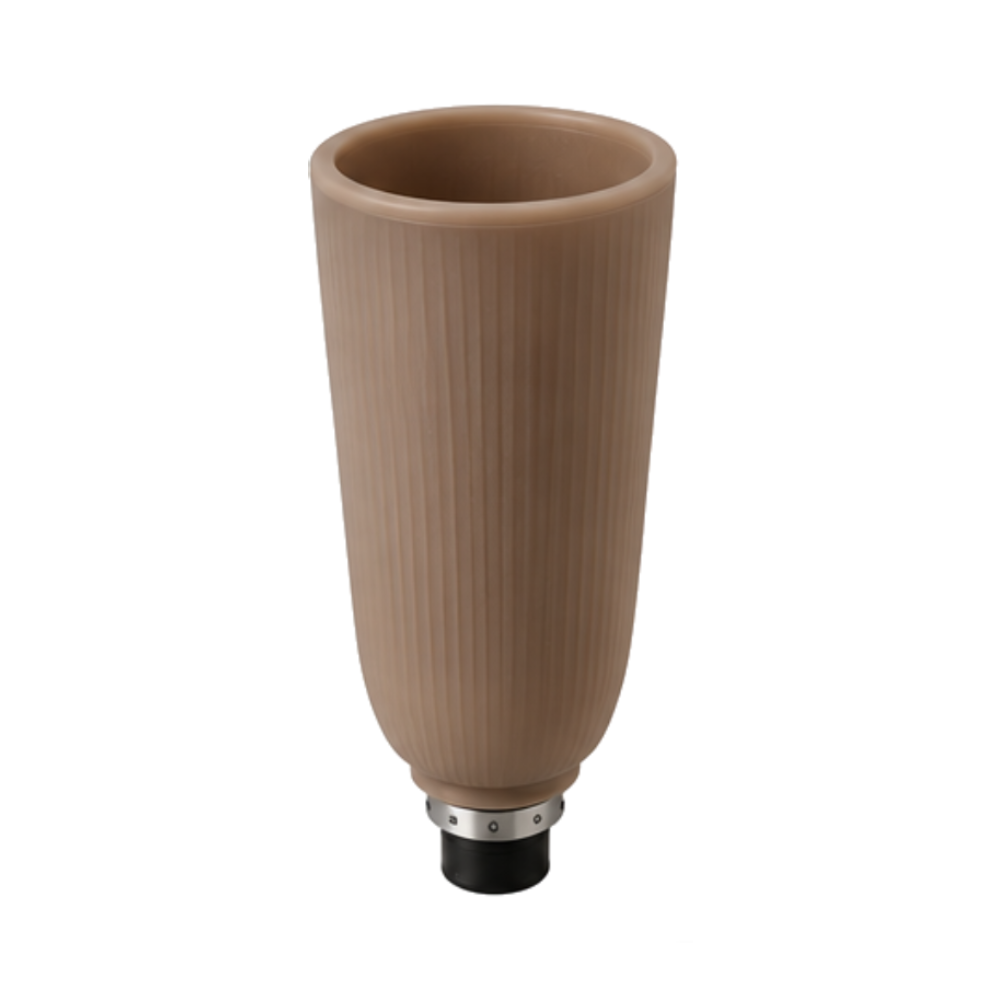

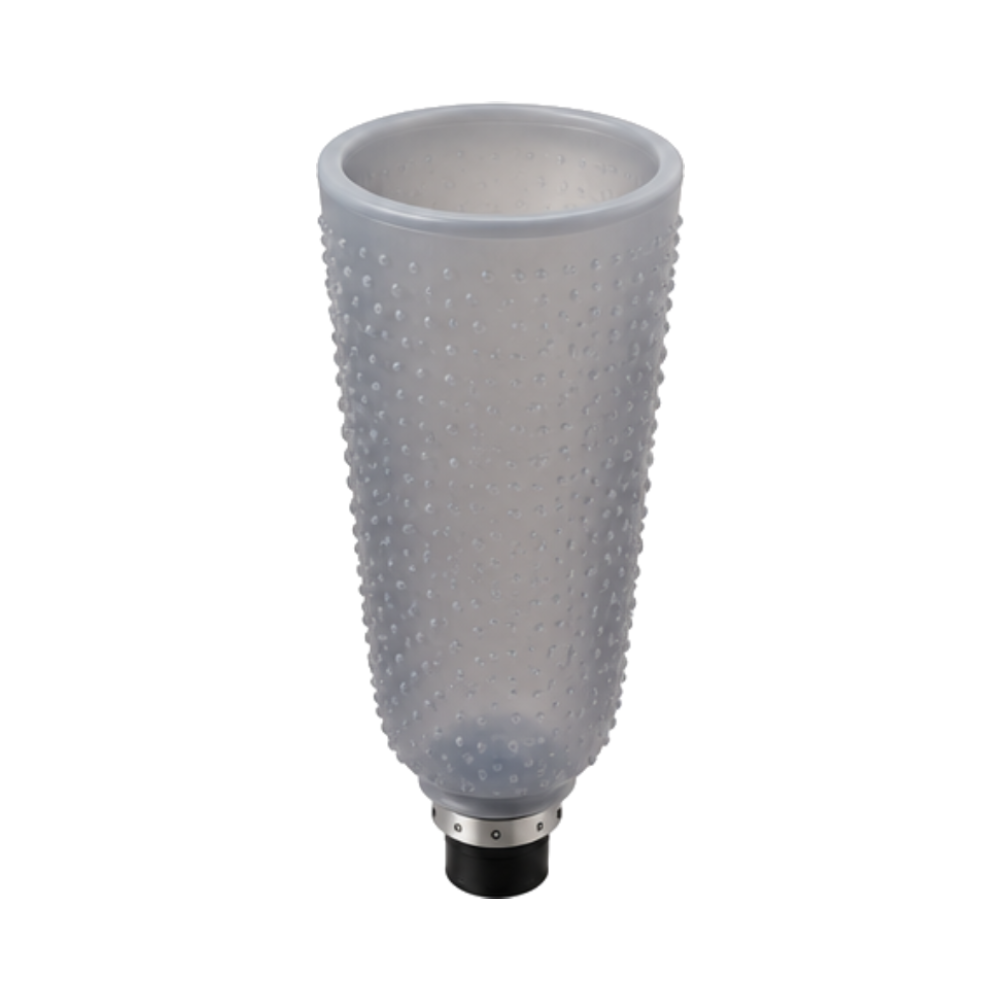
Secure Comfort with Flexible Silicone Support
Product Type: Silicone Prosthetic Liner
Suitable For: Upper & Lower-Limb Prosthetic Users
Main Purpose: Cushioning, Suspension & Skin Protection
Fit Support: Helps Maintain a Secure Socket Fit
Material: Soft & Flexible Silicone
Pressure Relief: Helps Distribute Pressure More Evenly
Skin Protection: Helps Reduce Friction & Irritation
Daily Use: Designed for Regular Prosthetic Wear
Key Benefit: Improves Comfort Between Limb & Socket
Care Support: Fitting, Adjustment & Follow-up Guidance
For assistance: 0300 2888503
Custom Solutions
Individually designed upper- and lower-limb prostheses provide a secure, comfortable, and personalized fit.
Custom Solutions
Individually designed upper- and lower-limb prostheses provide a secure, comfortable, and personalized fit.
Functional Movement
Designed to support walking, gripping, balance, and other essential everyday movements.
Functional Movement
Designed to support walking, gripping, balance, and other essential everyday movements.
Lightweight Durability
Strong, lightweight components provide dependable performance and comfort during daily use.
Lightweight Durability
Strong, lightweight components provide dependable performance and comfort during daily use.
Greater Independence
Helps users improve mobility, confidence, and independence in everyday activities.
Greater Independence
Helps users improve mobility, confidence, and independence in everyday activities.
Silicone Prosthetic Liners for Artificial Legs
A silicone prosthetic liner is worn directly over the residual limb in many lower-limb prosthetic systems before the limb enters the socket. It forms a flexible interface between skin and the prosthesis and, depending on its design, may provide cushioning, influence load transfer and take part in suspension. Silicone is the material family, not a single suspension method. A silicone liner may be a cushion liner, a locking liner with a distal attachment, or a sealing liner used in a compatible suction or vacuum system. Correct size, thickness and socket compatibility matter as much as the material name. Silicone is also not automatically superior to every gel, polyurethane or foam interface. A current quotation should therefore be based on the complete liner-and-socket configuration.Silicone Liner Prosthetics Price in Pakistan
The silicone prosthetic liner price in Pakistan depends on the exact configuration rather than on the word “silicone” alone. Cost can vary with size, length, thickness profile, textile covering, cushion versus locking or sealing construction, distal hardware, sealing features, manufacturer or model, imported availability and compatibility with the existing socket. A replacement liner should not be chosen only because its circumference looks similar, it resembles the old liner or it costs less. Changing the liner can alter effective socket volume, pressure distribution and suspension. A different pin, connector or sealing system may also be incompatible. For a useful quotation, have the current liner, socket and suspension checked together. Contact Limb Care to discuss a current quotation and compatibility assessment in Karachi.What Is a Silicone Prosthetic Liner?
A silicone prosthetic liner is a flexible elastomeric interface that usually sits directly against residual-limb skin. It may cushion the limb, reduce direct contact with rigid socket surfaces, help manage friction and contribute to suspension. The socket is the custom structural component that receives the limb and liner. A suspension sleeve usually extends over the outside of the socket and onto the limb. A prosthetic sock is a textile component used in selected systems for interface or volume management. These terms are not interchangeable. Silicone alone does not determine comfort, skin safety or prosthetic function. The complete system includes the residual limb, liner, socket, suspension, alignment and activity.Main Types of Silicone Prosthetic Liners
Silicone Cushion Liner
A cushion liner provides a compliant interface but does not necessarily include a direct mechanical lock or integrated seal. The prosthesis may use a sleeve, suction arrangement or another compatible suspension method.Locking or Pin-Lock Silicone Liner
A locking liner has a compatible distal attachment, often a pin or connector, that engages a lock in the prosthesis. Accurate positioning matters during donning. Painful pulling, unusual movement, repeated clicking or difficulty engaging or releasing the lock should be reviewed rather than worked around.Seal-In or Sealing Silicone Liner
A sealing liner uses an integrated or compatible sealing element that contacts the socket wall and helps restrict air movement for suction-type suspension. Designs may use integrated, movable or multiple sealing elements.Vacuum-Compatible Silicone Liner
Some silicone liners can form part of an elevated-vacuum system when paired with the correct socket, seal or sleeve, pump and other components. Vacuum is a feature of the suspension configuration, not of silicone itself, and it does not guarantee zero pistoning, sweating or skin problems.| Feature | Cushion | Locking / Pin Lock | Sealing / Seal-In |
|---|---|---|---|
| Primary role | Cushioning and interface | Interface plus mechanical suspension | Interface plus sealing for suction-type suspension |
| Direct suspension role | Not necessarily | Yes, through compatible lock | Yes, through compatible seal and socket |
| Distal hardware | Usually no locking pin | Pin or compatible connector | Not defined by a pin lock |
| Donning focus | Smooth position | Correct distal alignment | Correct liner and seal position |
| Socket requirement | Must match liner and suspension | Compatible lock and socket geometry | Compatible sealing surface and socket geometry |
How Pin-Lock and Seal-In Suspension Work
Pin-Lock Suspension
For many roll-on locking liners, the liner is rolled onto the limb and its distal attachment is positioned correctly. The limb then enters the socket until the pin or connector engages the compatible lock. If engagement becomes unreliable, fit, alignment and hardware should be assessed professionally.Seal-In Suspension
With a seal-in system, the sealing element contacts the inner socket wall and helps restrict air movement. Suspension depends on seal position, socket shape, residual-limb anatomy and volume. It is not automatically more suitable than a locking system.Silicone Liner Versus Suspension Sleeve
The liner sits against the residual limb inside the socket. A suspension sleeve usually spans the outside of the socket and extends onto the limb. Some prostheses use both.Silicone Compared with Other Liner Materials
Silicone, TPE/gel and polyurethane are broad material families. Products within each family can differ in stiffness, thickness, friction, reinforcement and geometry, so material name alone cannot predict comfort or suitability.| Consideration | Silicone | TPE / Gel | Polyurethane |
|---|---|---|---|
| General feel | Varies by formulation | Often softer, but product-specific | Viscoelastic response varies |
| Skin grip / friction | Can be relatively high in some products | Wide range | Wide range |
| Suspension options | Cushion, locking, sealing and selected vacuum systems | Depends on product | Depends on product |
| Heat and moisture | Can accumulate at the enclosed interface | Can also be concerns | Can also be concerns |
| Socket compatibility | Model, thickness and geometry matter | Model-specific | Model-specific |
Silicone Liner Versus Soft Foam or Pelite
| Feature | Silicone Liner | Soft Foam / Pelite Liner |
|---|---|---|
| Construction | Manufactured elastomeric liner | Foam interface shaped within a socket system |
| How it is worn | Often rolled onto the residual limb | Usually sits inside the rigid socket |
| Suspension role | May include locking or sealing features | Usually relies on other suspension features |
| Compression | Depends on formulation and profile | Foam behaves differently under compression |
Material Is Only Part of Liner Selection
Two silicone liners can differ in thickness, taper, stiffness, distal cushioning, textile backing, reinforcement, distal attachment, sealing rings and geometry. “Silicone” is therefore not a complete prescription. Not every prosthetic user needs silicone. A prosthetist may consider residual-limb shape, scars, bony areas, soft tissue, skin condition, volume change, activity, suspension needs, dexterity, heat tolerance and socket design when choosing an interface.Below-Knee and Above-Knee Silicone Liners
Below-Knee Silicone Liners
A transtibial liner must work with tibial and fibular anatomy, knee movement, socket design and suspension. Depending on the prosthesis, this may involve a cushion liner with a sleeve, locking liner, sealing liner or vacuum-compatible configuration. Read more about below-knee socket design.Above-Knee Silicone Liners
For transfemoral users, selection can also involve thigh shape, soft tissue, sitting comfort, proximal liner edge, suspension, heat and donning ability. See Limb Care’s above-knee socket page for the broader socket topic.Silicone Liner Fit, Sizing and Thickness
Liner sizing is manufacturer-specific. Measurements may include circumference at a defined level, limb length, taper or shape, and socket requirements. There is no safe universal rule such as always choosing one size smaller. A liner that is too loose may wrinkle, rotate, trap air or slip. A liner that is too tight may cause painful compression, edge pressure, difficulty donning, numbness, swelling or skin-colour changes. Persistent symptoms need review. Thickness also matters. Liners may be uniform, tapered, more cushioned distally or reinforced in selected areas. A thicker liner is not automatically better because it changes socket volume, pressure and limb position. Covered and uncovered liners can also interact differently with the socket and suspension. Wrinkles and air pockets may create uneven pressure, rubbing, irritation or suspension problems. Exact donning instructions for the specific product should always take priority.Changing a Silicone Liner Can Change Socket Fit
A different liner can alter effective socket volume, pressure distribution, limb position and lock or seal alignment. Even two liners marked with the same nominal size may have different thickness, stiffness, distal shape and geometry. Same size does not guarantee interchangeability. Changing brands may be possible, but compatibility should be checked. A thicker liner should not be used as improvised padding for a loose socket without identifying why the socket feels loose. A liner also cannot reliably correct a fundamentally poor socket shape, major volume mismatch or unsuitable suspension.Heat, Sweat and Skin Checks in Karachi
Silicone liners create an enclosed interface directly against skin. In Karachi’s heat and humidity, perspiration may accumulate during commuting, long wear, walking, outdoor activity or manual work. Moisture can contribute to discomfort, movement, odour, friction and irritation, but sweating varies between users and systems. A rash does not automatically mean silicone allergy. Moisture, rubbing, cleanser residue, liner or socket fit, textile or additive sensitivity, infection or another skin condition may contribute. Persistent rash, broken skin, drainage, swelling or increasing pain needs professional or medical review. People with diabetes, neuropathy, vascular disease or reduced protective sensation may need closer skin monitoring. No liner makes an unsuitable socket safe or guarantees prevention of blisters, ulcers or pressure injury.How to Put On, Clean and Dry a Silicone Liner
General Donning Principles
For many roll-on liners, inspect the liner, invert it as instructed, position the distal end correctly and roll it gradually onto the limb. Avoid wrinkles, trapped air and displaced soft tissue. Locking and sealing designs also require correct attachment or seal positioning.Cleaning and Drying
Many liners require frequent or daily hand cleaning, but the exact method depends on the product. Use the cleanser, water temperature and disinfection method specified by the manufacturer. Rinse thoroughly and dry as directed, away from damaging heat. Do not assume machine washing, tumble drying, radiators or hair dryers are safe for every model.Powder, Lotion, Oil and Donning Products
Do not routinely add talcum powder, baby powder, petroleum jelly, oils, lotion, alcohol spray or household chemicals. Use only skin-care or donning products approved for the exact liner and suspension system.Wear, Replacement and Damage
Wear can appear as tears, cracks, thinning, stretching, permanent deformation, damaged textile covering, worn distal attachments, damaged seals, repeated slipping or a change in fit. Replacement timing is product- and condition-specific and is influenced by activity, perspiration, socket fit, care and donning technique. Do not repair a torn liner with household glue, tape, sewing or improvised patches. Trimming should also be done only when the exact product permits it and with professional guidance because cutting may damage reinforcement, fabric or sealing features.How to Compare Silicone Liner Options
Before buying or replacing a silicone liner, ask questions that connect it to the complete prosthesis:- Is it a cushion, locking or sealing liner, and how will the prosthesis stay attached?
- How is the size measured, and what thickness or profile does this model use?
- Does it include a pin, distal cushioning or sealing element?
- Is it compatible with the current socket, lock, seal, sleeve or vacuum configuration?
- Could it change socket volume or require adjustment?
- What cleaning, drying and approved skin-product instructions apply?
- What signs indicate wear, and are matching replacements and suspension parts available in Pakistan?